
"coffee introduction 19th century"
700 article(s) found

Coffee maker introduces Bilody Bialetti mocha pot
The earliest way to cook coffee is to directly boil the coffee powder with water on the stove and filter it to drink. Since the 19th century, some people have tried to use steam to brew coffee, hoping to make a strong cup of coffee in a very short time. At the beginning of the 20th century, the industrial revolution began to ferment around the world, and the Italians created a shape and momentum that resembled a steam train boiler and a general espresso coffee machine.

Ethiopian Haierashi-Kaibedo processing plant story material washing the flavor of Capedo coffee
Professional barista communication Please follow the coffee workshop (Wechat official account cafe_style) what does Haier Selashi mean? Haile Serrahi was originally the name of the last Ethiopian emperor known as the master of lions, who was born at the end of the 19th century and led Ethiopia out of European imperialism in the 20th century. Until today

The characteristics of Kenyan coffee beans the types of coffee beans introduce how much coffee beans cost per jin
Coffee entered Kenya in the 19th century, when Ethiopian coffee drinks were imported into Kenya through southern Yemen. But it was not until the early 20th century that the Bourbon Coffee Tree was created by the St. Austen Mission (St). AustinMission) is introduced. Kenyan coffee is mostly grown at an altitude of 1500 to 2100 meters and is harvested twice a year. To ensure that only ripe berries are picked, people must be in the forest

Introduction of Kenyan Coffee Taste of Kenyan Coffee appreciation of Kenyan Coffee
A brief history of Ethiopia, the origin of Arabica coffee trees in northern Kenya, but it was not until the beginning of the 20th century that it was engaged in coffee cultivation. In the 19th century, missionaries introduced Arabica trees from the leaves, but did not plant them in large quantities until 1893. Brazil's ancient bourbon coffee seeds were introduced to cultivate coffee on a large scale. In other words, the current Kenyan coffee has Brazilian blood.

Coffee species introduction Coffee Tree introduction Coffee planting method
Arabica was the only kind of coffee beans, then in the 19th century, there was a large area of diseases and insect pests, coffee growers began to look for other varieties of coffee resistant to diseases and insect pests, so Rob's special was discovered and began to be planted artificially. Robert's special growth in low-altitude areas, characterized by resistance to diseases and insect pests, cold, drought resistance, a word description, thick, but the taste is relatively comparative

Introduction of Arabica Coffee Price characteristics, Flavor description, Taste treatment method and Variety producing area
Arabica Coffee Price characteristics, Flavor description, Flavor description, Variety production area introduction Arabica is deeply loved by Chinese people with a short history of coffee contact because of its strong fruity aroma, Arabica was introduced to China by missionaries in the 19th century. It is widely planted in the dry-hot valley of the Jinsha River, which is more than 1000 meters above sea level in Panzhihua, Sichuan and western Yunnan.

Burundian Coffee Flavor with Prunus Fruit Flavor introduction to boutique coffee beans in manor production area
Formerly known as Urundi, Burundi formed a feudal kingdom in the 16th century. Since the middle of the 19th century, the forces of Britain, Germany and Belgium invaded. The long-ruled monarchy, which was conquered by Germany in 1890, listed it as the territory of German East Africa and fell under the control of the Belgian army in 1916. After World War I, the League of Nations merged Rwanda-

El Salvador coffee growing environment
In the 19th century, coffee was an important cash crop in El Salvador, and the government legislated to collect taxes and encourage cultivation for export; although the coffee farmers in El Salvador did not receive technical or financial assistance, they were outstanding among many coffee-producing countries in terms of the growth of production per hectare. Coffee's output value is like a locomotive, which has great influence on the infrastructure construction and light industry development of Saudi Arabia.

A brief introduction to the treatment method of grinding degree and baking degree of Kenyan Jinchu Coffee
Kenya AA coffee beans are adjacent to Ethiopia, the origin of Arabica coffee trees in the north of Kenya, but it was not until the beginning of the 20th century that they began to engage in coffee cultivation. In the 19th century, missionaries introduced Arabica trees from the leaves, but did not plant them in large quantities. It was not until 1893 that coffee was cultivated on a large scale after the introduction of Brazil's ancient "bourbon" coffee seeds. That is to say,

Kenyan specialty coffee Introduction Kenyan coffee Market Kenyan coffee Features Kenya
The British landed coffee in Africa in 1878 and coffee plantations were established in Kenya in the 19th century, when Ethiopian coffee drinks were imported to Kenya via southern Yemen. But it wasn't until the early 20th century that bourbon coffee trees were grown by St. Austin Mission introduced. Kenya coffee growing area: Kenya coffee is mostly grown at an altitude of 1500

Flavor description of coffee at Burman Manor in Kenya with sweet green tea introduction to the characteristics of the taste of the variety
Aromatic, full-bodied, with fruit flavor, taste rich and perfect. Kenyan coffee has a wonderful fruit flavor, tastes like BlackBerry and grapefruit, and is a favorite of many coffee gluttons. This coffee has an excellent medium purity, crisp and refreshing taste. It has a fresh flavor and is most suitable for drinking iced coffee in summer. When tasting this coffee, such as

Introduction to the taste of manor flavor description method in Kenya coffee producing area
In 1878, the British landed coffee in Africa and set up a coffee plantation in Kenya in the 19th century, when Ethiopian coffee drinks were imported to Kenya through southern Yemen. But it was not until the early 20th century that the bourbon was introduced by the St. Austen Mission (St.AustinMission). Origin of coffee in Kenya: most coffee in Kenya (Kenya) grows at an altitude of 15.

Ethiopia, the coffee bean producing area of Kenya, which is grown on volcanic slopes.
Kenya is bordered to the north by Ethiopia, the origin of Arabica coffee trees, but it was not until the beginning of the 20th century that coffee cultivation began. In the 19th century, missionaries introduced Arabica trees from the leaves, but did not plant them in large quantities. It was not until 1893 that coffee was cultivated on a large scale because of the introduction of Brazil's ancient bourbon seeds. That is to say, Kenyan coffee is of Brazilian origin.

Introduction to the characteristic treatment method of Puerto Rico coffee bean flavor description grinding scale
Apart from the sunshine and beaches of the Caribbean and Miss World, do you know what else is most attractive about this South American island known as the port of wealth? That's the best coffee. Puerto Rico is one of the world's preeminent coffee producers. Since the second half of the 19th century, Puerto Rican coffee has become the first choice of the Vatican and European royals, and has also been the president of the United States.

Introduction to the flavor description characteristics of Kenyan Jinchugu coffee varieties and the treatment method of taste producing areas
It entered Kenya in the 19th century, when Ethiopian coffee drinks were imported into Kenya through southern Yemen. But it was not until the early 20th century that the bourbon was introduced by the St. Austen Mission (St.AustinMission). Kenyan coffee is mostly grown at an altitude of 1500m, 2100m, and is harvested twice a year. To ensure that only ripe berries are picked, people must be in the forest

Introduction to the flavor and taste of Burundian boutique coffee manor
Formerly known as Urundi, Burundi formed a feudal kingdom in the 16th century. Since the middle of the 19th century, the forces of Britain, Germany and Belgium invaded. The long-ruled monarchy, which was conquered by Germany in 1890, listed it as the territory of German East Africa and fell under the control of the Belgian army in 1916. After World War I, the League of Nations merged Rwanda-

Flavor and taste characteristics of coffee varieties in Kenya introduction to the Cultural Origin of Fine Coffee Bean Manor
It entered Kenya in the 19th century, when Ethiopian coffee drinks were imported into Kenya through southern Yemen. But it was not until the early 20th century that the bourbon was introduced by the St. Austen Mission (St.AustinMission). Kenyan coffee is mostly grown at an altitude of 1500m, 2100m, and is harvested twice a year. To ensure that only ripe berries are picked, people must be in the forest
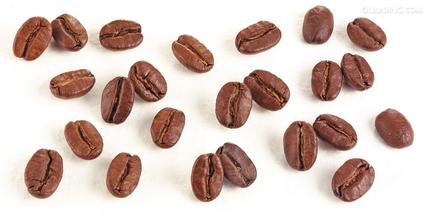
Arabica Coffee Bean Family introduces the characteristics of Price Origin
Arabica coffee bean family introduction price producing area characteristics Arabica is deeply loved by Chinese people with a short history of coffee contact because of its strong fruity aroma. it was introduced to China by missionaries in the 19th century. It is widely planted in the dry-hot valley of the Jinsha River, which is more than 1000 meters above sea level in Panzhihua, Sichuan and western Yunnan. The local people use the way of diverting water up the mountain.

The international history of coffee industry introduces how the bubble of Brazilian coffee economy ended.
For professional baristas, please pay attention to the bubble economy caused by coffee in the coffee workshop (Wechat official account cafe_style) in Brazil at the beginning of the 20th century. Large-scale coffee production in Brazil began in the 19th century due to a price collapse due to mass production of coffee. Coffee is grown in Rio de Janeiro, Minas Gerais, S ã o Paulo and traded everywhere. Brazil became enslaved and cultivated

Introduction to the description of the flavor of pure and aromatic Puerto Rican coffee producing areas
Apart from the sunshine and beaches of the Caribbean and Miss World, do you know what else is most attractive about this South American island known as the port of wealth? That's the best coffee. Puerto Rico is one of the world's preeminent coffee producers. Since the second half of the 19th century, Puerto Rican coffee has become the first choice of the Vatican and European royals, and has also been the president of the United States.